Show 38: Pitch Perfect Pet Publicity! How to get Stories in the News with Jen Reeder
If you’re looking for better pet publicity, this episode is a masterclass in modern pet PR.
Award-winning journalist Jen Reeder pulls back the curtain on how reporters find stories, what makes a pitch newsworthy, and why building genuine media relationships is essential for long-term pet publicity success. She explains why personalized outreach consistently outperforms mass-distributed press releases and why journalists prefer stories that educate, inspire, or solve a problem.
Listeners will learn how to improve their pet PR efforts by researching journalists, providing adequate lead time, and offering credible sources. Reeder also discusses the importance of independent journalism, the challenges facing today’s media landscape, and why human storytelling remains critical despite advances in AI.
Whether you’re a rescue organization, pet brand, veterinarian, animal welfare advocate, or pet industry entrepreneur, this episode offers actionable pet publicity strategies you can start using immediately.

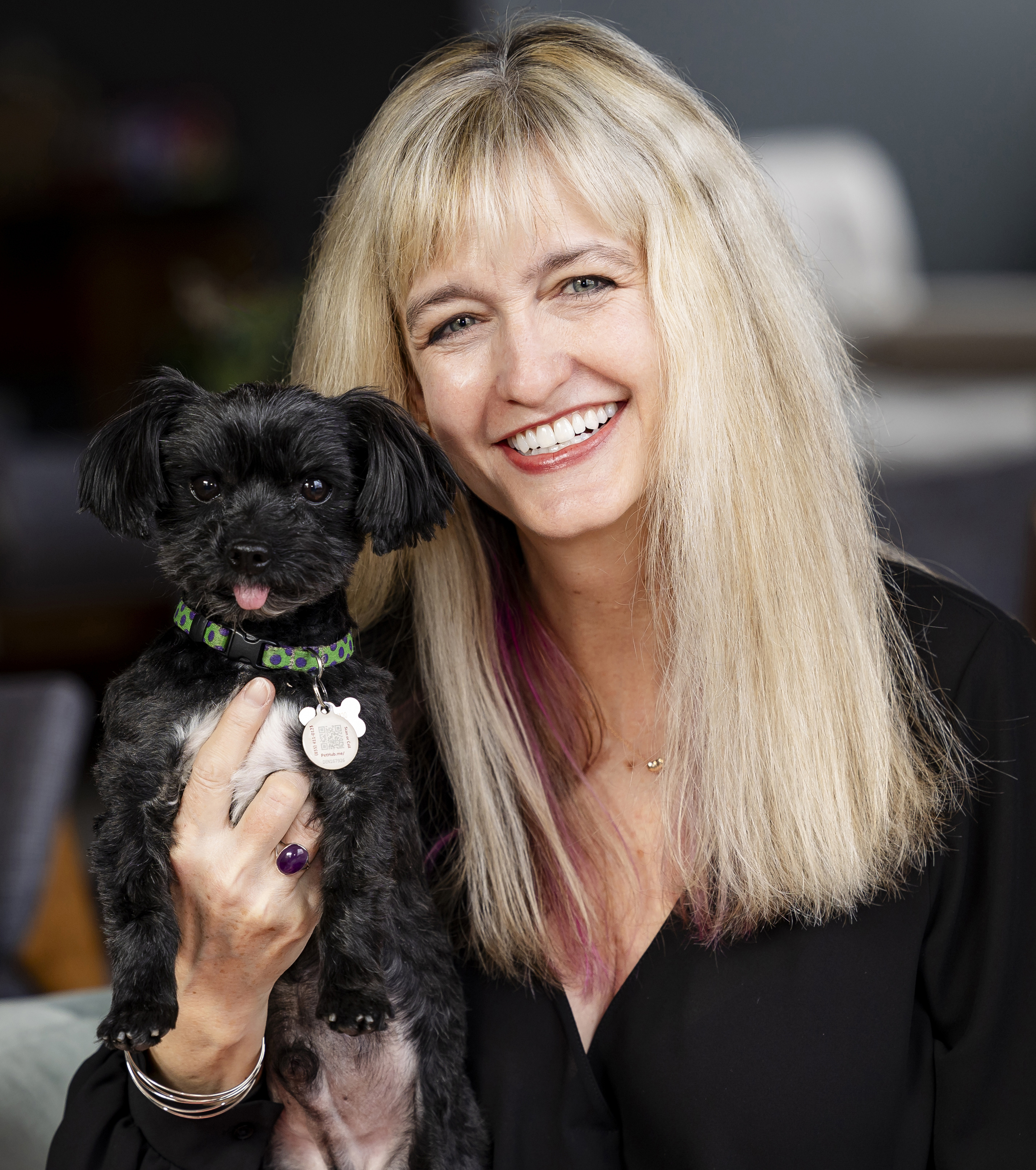
About Jen Reeder
Our guest is an award-winning journalist, author, and pet industry expert whose work has appeared in more than 1,000 articles for leading publications including The New York Times, Forbes, CNN, Reader’s Digest, Today.com, and numerous pet-focused outlets. Reeder is widely recognized for her reporting on animal welfare, veterinary medicine, pet health, service animals, and the human-animal bond.
A former president of the Dog Writers Association of America, Reeder began specializing in pet journalism after adopting her first rescue dog, Rio, in 2010. Since then, she has become one of the most respected voices in pet media, known for combining rigorous reporting with heartfelt storytelling.
Based in Colorado, Reeder continues to write for national publications while championing stories that inform, inspire, and strengthen the bond between people and their pets.
Show Recap
Reeder shares invaluable insight into what makes a pitch stand out — and what sends it straight to the delete folder. For example, she covers both great and terrible PR outreach. Pet PR is discussed in relation to whether press releases still matter. Ultimately, this episode is a masterclass for anyone in animal welfare or the pet industry seeking real media coverage and some great pet publicity.
In the second half, the conversation turns to the evolving world of journalism, freelancing, shrinking newsrooms, and the impact of AI on writing and storytelling. If you want your pet story to actually make the news, this is the episode you can’t afford to miss. Additionally, some new developments in pet PR are highlighted as the industry evolves. In fact, continuous change is shaping pet publicity for both brands and advocates.
The episode offers valuable insight for anyone working in the pet space. Reeder’s advice is simple: build real relationships, respect journalists’ time, and focus on stories that genuinely inform or inspire readers.
Key Takeaways
- Relationships drive media coverage.
- Give reporters plenty of lead time.
- Personalized pitches outperform generic press releases.
- Press releases still have value—but only as a starting point.
- Journalists vet organizations before covering them.
- Focus on stories that inform, educate, or inspire.
- AI can’t replace human storytelling.
- Some journalists actively filter out AI-generated responses.
- Research journalists before pitching them.
- Credibility matters more than ever.
- Don’t try to control the interview.
- Avoid emotional pressure tactics.
- Email is still the preferred way to pitch journalists.
- Authenticity beats product promotion.
- Independent journalism still matters.
- Consumers influence the future of media.
Transcript
Mary: I’m excited to welcome today’s guest, a powerhouse in animal advocacy and storytelling. She’s a 2025 inductee into the Dog Writers Association of America Hall of Fame and has authored more than 1,000 articles for outlets including The New York Times, Forbes, CNN, and Reader’s Digest.
Whether she’s reporting on pet rescue efforts or exploring the science of the human-animal bond, her work combines journalistic rigor with deep compassion.
Please welcome award-winning journalist and former Dog Writers Association of America president, Jen Reeder.
Jen: If I didn’t love you before, I love you even more now. Thank you, Mary.
Mary: Many pet parents may not know your name, but they’ve probably read one of your articles. Tell us about your work and how you became a pet journalist.
Becoming a Pet Journalist
Jen: It all started in 2010 when my husband and I adopted our first dog, Rio, a Labrador Retriever mix from the Farmington Animal Shelter. I became a dog person overnight and began focusing my journalism career on pets.
I grew up with cats and still love them, but my husband is allergic, so we only have dogs at home. Over the years, I’ve covered everything from therapy dog programs that help children learn to read to veterinary breakthroughs and inspiring rescue stories.
I’m especially drawn to stories about resilience—whether it’s a rescue dog finding a second chance or an unlikely friendship between animals. That’s why most of us are in this field. It’s certainly not for the money. It’s for the love of animals.
Mary: As a former crime reporter, I always thought pet journalists had the dream job. While I was covering crime scenes and tragedies, you were telling uplifting stories about animals.
Jen: I remember your saying: “If it bleeds, it leads. Or, “If you’re dead, I’m live.”
Mary: Exactly. What was your journalism background before pets?
From Traveling to Pet Journalism
Jen: I came into journalism a little sideways.
In my twenties, my husband and I traveled extensively. I did travel writing and worked on a couple of guidebooks. We never had pets because we were constantly backpacking through Southeast Asia, Central America, and South America.
When we adopted Rio, we joke that he domesticated us. We settled down, got real jobs, and built careers.
I started freelancing for a daily newspaper in Durango, Colorado. One of my editors left to launch an alternative weekly newspaper called The Durango Telegraph, and I joined her. I was the only full-time employee, so I did everything—writing stories, selling ads, delivering papers, even making coffee.
That experience was invaluable. Newspaper journalism teaches you to write quickly, build relationships, and identify trustworthy sources. It also teaches you to listen when people tell you about organizations doing meaningful work.
Today, that same process drives my national pet journalism. Much of what I write comes from trusted relationships and recommendations.
Earlier this year, for example, I was working on a story about ways to make cats happier. I reached out to Mary, who connected me with Dr. Randy Aronson. He was an excellent source and gave a fantastic interview.
When opportunities arise, I immediately think about people I trust who can provide credible information and respond quickly.
How Pet Stories Get Assigned and Published
Mary: Many pet journalists work freelance. For rescues and small business owners looking for media coverage, how does it work on your end? Are you pitching editors, or are editors assigning stories to you?
Jen: Both.
I’m fortunate to have relationships with editors who regularly contact me with story ideas. Most of the time, though, I still have to find the sources myself.
I also pitch my own ideas. For example, I write a column for Just Labs magazine that highlights Labrador Retrievers and Lab mixes making a difference in the world. Many of those stories involve service dogs and community impact. I have a lot of freedom to choose those topics.
So it’s definitely a mix of editor assignments and self-generated pitches.
Mary: It’s almost like a double pitch. The publicist pitches you, and then you pitch the editor.
Jen: Exactly.
That’s why timing matters so much. Sometimes people contact me and say, “We’re having an adoption event tomorrow.”
At that point, it’s often too late.
Even if I like the story, I still have to pitch it to an editor, wait for approval, conduct interviews, and write the article. Editors are busy, and stories take time.
The more lead time people can provide, the better their chances of getting coverage.
Why Credibility Matters in Pet PR
Jen: I also do my homework before writing about an organization.
If it’s a nonprofit I’ve never heard of, I’ll look at Charity Navigator, search online, review its social media presence, and make sure there aren’t any major concerns.
I don’t want to inadvertently promote an organization that isn’t operating ethically.
Sometimes people pitch stories because they have a personal grievance with someone at an organization. That’s not what interests me.
I’m looking for stories that inform, educate, or inspire readers.
AI and the Future of Journalism
Mary: Since we’re talking about changes in media, let’s discuss AI. How do you view artificial intelligence and its impact on journalism?
Jen: Most reputable news organizations have strict policies regarding AI.
When I became the pets contributor for Forbes, one of the topics discussed during the application process was AI. News organizations generally don’t allow AI to write articles. Some journalists use it for transcription, research assistance, or headline brainstorming, but that’s about it.
Personally, I don’t trust AI to do what journalists do best.
I don’t believe AI can replace human interviews, especially when you’re talking with people about deeply personal experiences. Sometimes I feel like part journalist, part therapist. People share stories about trauma, service animals, grief, and life-changing experiences.
Those conversations require empathy and nuance.
I also don’t think AI can organize information in a way that truly moves readers.
What concerns me more than AI is the ongoing pressure on traditional journalism. Budgets are shrinking. Advertising dollars are moving toward podcasts, influencers, and social media platforms.
I recently wrote for a PBS-affiliated publication called Next Avenue. After funding cuts, the publication folded and everyone was laid off.
The media landscape is changing rapidly, and that’s what worries me most.
Mary: That brings me to another question. Many people are using AI to write press releases. Can you tell when a pitch was generated by AI?
How AI is Changing Pet Publicity and Media Outreach
Jen: Sometimes.
What I respond to most are personalized pitches.
When someone writes, “I saw your recent article on this topic and thought you might be interested in this story,” it tells me they’ve done their homework.
Mass-distributed press releases are far less effective.
If someone takes the time to understand my work and tailor a pitch accordingly, I’m much more likely to pay attention.
I’ve also noticed that some journalist query platforms now allow reporters to filter out AI-generated responses.
I use that feature whenever it’s available.
Press Releases, Media Trust, and What PR Pros Get Wrong
Mary: That’s good information for listeners. If you’re responding to a reporter request with AI-generated content, there’s a good chance you’ll be filtered out.
When I worked in television news, I often ignored press releases from companies pitching products. But now that I work in pet media, I understand they have a purpose. Trade publications, for example, often cover new products.
Would you rather receive a personal pitch than a press release?
Personalized Pitches to get Great Pet PR
Jen: A personalized pitch is always better, but I don’t mind having a press release attached for additional details.
For example, I recently received information about dogs from a local shelter participating in the Puppy Bowl. The press release gave me useful background, but what interested me was the human angle. One shelter had participated multiple times, and I wanted to know what that experience was like.
A good press release can be a springboard.
I recently heard about a journalist who received a press release about a canine blood bank. On the surface, that sounds fairly routine. Instead of writing the obvious story, she tracked down the dog in her community that had donated the most blood and built the article around that animal.
That’s what good journalists do. They use a press release as a starting point and find a more personal, original story.
I’m not anti-press release. I just don’t want to rewrite one.
Irrelevant Pitches are Fast Way to Get Ignored
Mary: I imagine you receive plenty of pitches that have absolutely nothing to do with pets.
Jen: All the time.
Lately I’ve been receiving a surprising number of pitches about menopause. Apparently I’m in the target demographic.
I usually respond politely and explain that I write about pets. Sometimes that opens the door to a conversation because the sender also represents a pet-related client.
What frustrates me more are pitches that don’t identify the source or company being represented. If you’re promoting a product or organization, tell me who it is immediately. Otherwise, it’s often an instant delete.
I once replied to a young PR professional and explained exactly why the pitch wasn’t working. Maybe she learned something from it.
I try to be kind.
Mary: That’s incredibly generous. Most journalists wouldn’t respond at all.
Jen: Sometimes I can’t. When I’m on deadline, I simply don’t have time. But when I can help someone improve, I try.
Research
Mary: One thing I always recommend is researching journalists before pitching them.
Platforms like MuckRack and Cision allow publicists to see a reporter’s recent articles, topics, and interests. That makes it much easier to personalize outreach.
Jen: Absolutely.
Years ago, I attended a journalism conference where an editor from Modern Love at The New York Times shared a fascinating insight. She said that after finding a promising submission, one of the first things editors do is review the writer’s social media presence.
That stuck with me.
As journalists, we’re expected to present ourselves professionally and maintain credibility. Social media matters.
Credibility Matters More Than Ever
Mary: It feels harder than ever to find news sources that people view as unbiased.
Jen: I understand that concern.
I appreciate organizations that work hard to present facts without inflammatory language. Outlets such as the Associated Press, Reuters, and others continue to focus on accuracy and verification.
At the end of the day, journalism is about finding the truth and sharing it with readers.
One reason I value credibility so highly is because public trust in media has eroded. Misinformation spreads quickly online, so it’s more important than ever to rely on trustworthy sources.
If a veterinarian or university researcher has conducted legitimate research, that’s valuable.
If a company commissions its own survey and presents it as groundbreaking science, I’m going to look much more critically at the information.
Independent Sources Matter
Jen: I recently had a publicist pitch me a veterinarian employed by a vaccine company to discuss the importance of that company’s vaccine.
That’s not a credible source from a journalism perspective.
Readers and editors want independent expertise. A university researcher or independent veterinarian carries far more credibility than someone whose employer directly benefits from the product being discussed.
That’s not to say company experts don’t have knowledge. But journalism requires independence.
What Annoys Journalists Most About PR People?
Mary: Let’s get to the question everyone wants answered.
What annoys you most about PR professionals?
Jen: For starters, people frequently call me “Jan” even though my email address literally says Jen.
That one’s minor.
What bothers me more is when people offer to send gifts or products. Journalists aren’t supposed to accept gifts beyond a very modest value. Our general guideline is about the cost of a cup of coffee.
That line has become blurry because influencers operate differently, but traditional journalists still follow ethical standards.
I also dislike when publicists try to script interviews.
Sometimes they’ll say, “Here’s an influencer. Ask these ten questions.”
No. Journalists decide what questions to ask.
Another thing that doesn’t work is emotional pressure.
I’ve received emails saying, “This dog is on death row. If you don’t write about him, he’ll be euthanized.”
That’s an unfair position to put a journalist in.
There are thousands of animals in shelters. What readers typically respond to are stories that highlight successful adoptions, innovative programs, or organizations making a positive impact.
I recently saw a story about a reactive pit bull who was struggling in a shelter environment. Staff gave him a pink princess tent to help him feel secure.
That was creative. Interesting. A great story.
It’s very different from trying to guilt someone into coverage.
Mary: What about phone calls? Do journalists still want them?
Jen: Not really.
Most of us prefer email.
Email, Don’t Call
Mary: What about phone calls? Do journalists still want them?
Jen: Not really.
These days, I ignore so many unknown numbers that I’m probably missing calls from my doctor. Most reporters prefer email.
Occasionally someone will ask if I have time for a 40-minute phone call before they’ve even pitched their idea. The answer is usually no. Send me an email. If I’m interested, I’ll respond.
I also don’t love receiving pitches through Facebook messages or text messages. Facebook used to be a place to connect with friends. Now I’m almost afraid to open it because I don’t know what request is waiting for me.
And please don’t text me asking when a story will run. I once had someone do that while I was on vacation in Patagonia. If they had emailed me, they would have received my out-of-office message explaining I was away.
Email is still the best way to reach most journalists.
Are Big PR Firms More Aggressive?
Mary: Do you think pitches from large PR agencies are sometimes worse than those from small business owners or local pet retailers?
Jen: Sometimes.
Large companies often try too hard to force product mentions into stories.
I recently worked on a story involving a service dog organization sponsored by a pet food company. It felt like everyone I interviewed had been encouraged to mention the sponsor’s food.
At some point, it stops sounding authentic.
If a product naturally belongs in a story, that’s one thing. But readers can tell when a brand mention has been wedged in.
I’m not interested in writing advertisements. I’m interested in writing informative stories that help readers.
That’s where some companies miss the mark. A genuine mention carries far more weight than an obvious promotional plug.
The Rise of Advertorial Content
Mary: One thing I’ve noticed is that more pet magazines seem to be relying heavily on advertorial content.
Some publications look like editorial magazines on the surface, but almost every article is essentially promoting whoever paid for the placement.
How are you navigating that shift?
Jen: A lot of writers are now doing a combination of journalism and content marketing.
Content marketing is different because a brand hires you to write about a topic. Traditional journalism is independent. A publication hires you to report and tell a story.
I’ve chosen to stay focused on traditional journalism.
Maybe that’s stubborn. Maybe it’s idealistic. But I genuinely love reporting and storytelling.
I’m fortunate to still work with editors and publications that value independent journalism and haven’t turned entirely into advertising vehicles.
Why Independent Journalism Still Matters
Jen: There are still publications producing thoughtful, credible content.
I enjoy writing for publications that focus on helping people better understand their dogs and cats. Some editors come from science backgrounds and are deeply committed to accuracy and education.
There may be fewer traditional outlets than there once were, but they still exist.
Readers have power here.
When people subscribe to publications that provide meaningful journalism instead of thinly disguised advertising, they’re supporting the kind of content they want to see more of.
In many ways, it’s voting with your dollars.
Final Thoughts
Mary: That’s such an important point. Readers can usually tell the difference between genuine journalism and marketing copy.
Jen, thank you so much for joining us today. Your insights into journalism, media relations, and storytelling have been incredibly valuable.
Jen: You’re the best, Mary. Thank you for having me.
Why Pet PR Matters
Effective pet publicity helps animal welfare organizations, businesses, veterinarians, authors, and experts reach larger audiences through earned media coverage. Unlike advertising, strong pet PR focuses on storytelling, credibility, and building relationships with journalists. Reeder explains, the most successful media outreach efforts are built on trust, relevance, and stories that genuinely matter to readers. This episode offers valuable insight for anyone working in the pet space.
Take Action! Get some great pet publicity!
We’ve got plenty more shows with expert journalists. Maria Reitan is a former television news executive who led newsrooms in Miami, Chicago and Minneapolis. Find out the business side of the broadcast news media and how you can get some great pet publicity knowing what stories pay the bills. That’s episode 5 of the Whisker Report.
Need some pet PR help?
At Whisker Media, we know it’s tough for business owners to do everything themselves. That’s why we’re here for your pet PR and publicity needs if you just don’t have time. We know media relations and how to get your story, business or nonprofit out to the world!