
Pet PR for Animal Shelters: The Basics
If you’re helping an animal shelter get some buzz, this episode is for you. This week, Whisker Report hosts Mary Tan and Alexane Ricard are talking to Sarah Bhimani, the communications director at Animal Humane Society (AHS), just outside of Minneapolis Minnesota. AHS is one of the largest private, open admission shelters in the United States. Sarah shares her experiences doing PR for animal shelters, which means managing public relations and internal communications for the largest animal welfare nonprofit in the Upper Midwest. From addressing PR challenges to fostering community engagement, this pet PR professional offers practical advice and valuable strategies for nonprofit organizations looking to amplify their message, advocate for animals, and drive action.
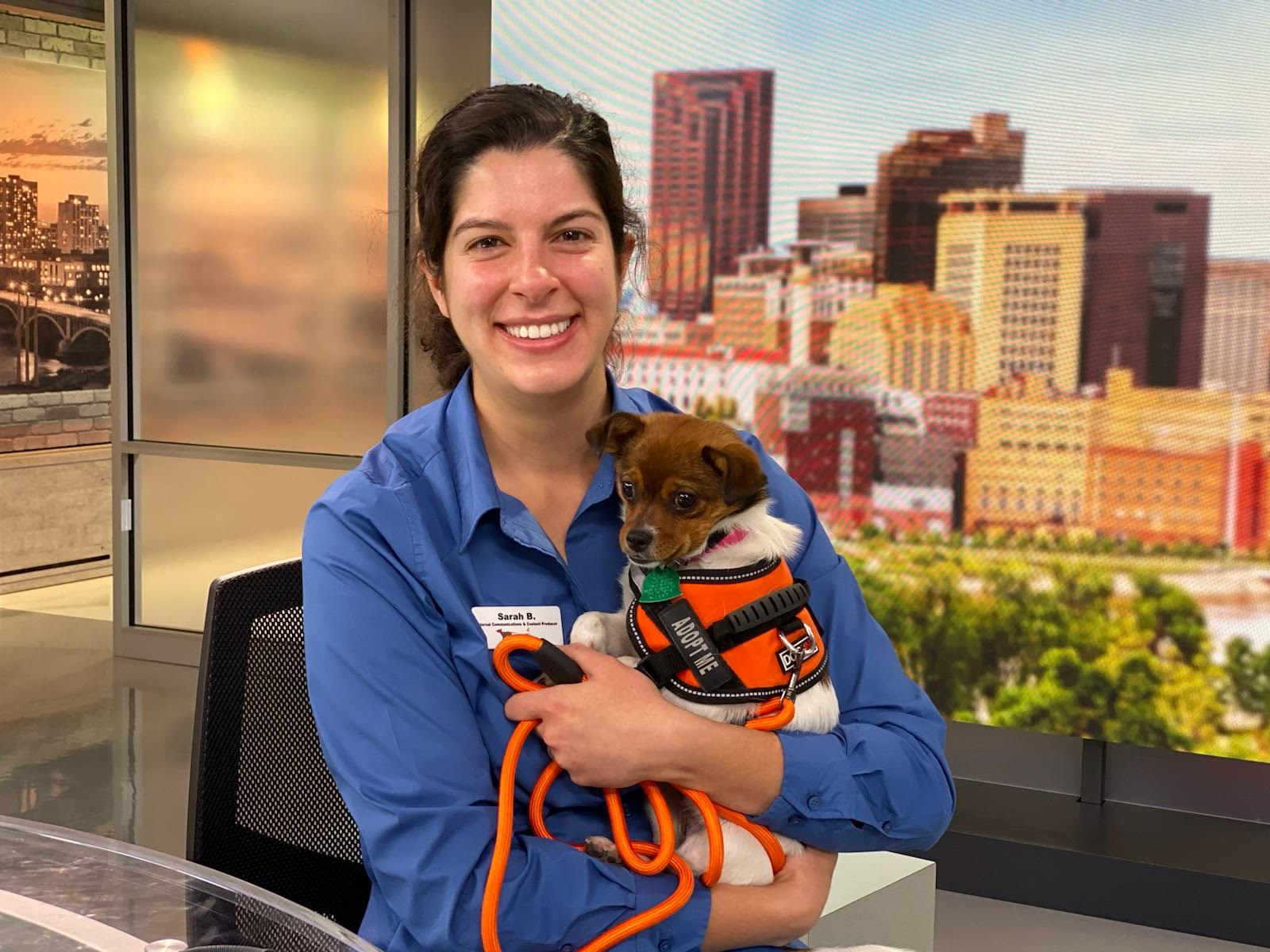
Show Recap:
Sarah Bhimani, Communications Director at Animal Humane Society, has spent the past seven years helping one of the Midwest’s largest animal welfare organizations strengthen its public visibility and community impact. Each year, the organization helps more than 11,000 animals through its shelters while also providing veterinary care, outreach programs, humane investigations, education, training, and pet retention services that keep people and pets together.
Bhimani says one of the biggest pet public relations challenges involves cutting through the overwhelming amount of information people consume every day. Animal welfare organizations constantly compete with local, national, and global news stories for attention. Although many animal stories inspire and uplift audiences, media outlets often push them aside when major news events dominate headlines.
For nonprofits and rescues, this environment makes strategic pet PR essential. Organizations must work harder to keep their missions visible and relevant in crowded media spaces.
Bhimani also points to another major challenge: explaining the full scope of Animal Humane Society’s work in a way the public can quickly understand and remember. Many people primarily associate the organization with pet adoption, but the organization also operates low-cost veterinary programs, community outreach initiatives, temporary pet housing services, educational programs, training resources, and humane investigations.
Short media interviews and limited television segments often force organizations to simplify their messaging. As a result, audiences may only see one aspect of the organization’s work instead of understanding its broader impact on animal welfare throughout Minnesota.
Strategic Pet PR: Choosing the Right Story Angle
Bhimani approaches pet public relations strategically by connecting organizational stories to timely events, trends, and awareness campaigns. She explains that relevance plays a major role in determining which programs or initiatives deserve media attention at a given moment.
When Animal Humane Society launches a new program, the communications team highlights it because new initiatives naturally create newsworthy opportunities. The team also uses seasonal observances and awareness months to connect programs to broader public conversations already happening in the media.
For example, during Domestic Violence Awareness Month, Animal Humane Society promotes its temporary pet housing program, which helps people escaping unsafe situations secure care for their pets. By tying the program to a national awareness campaign, the organization creates a timely and emotionally compelling story angle that resonates with both journalists and the public.
The team also builds PR opportunities around fundraising deadlines, ticketed events, and community programs. In pet PR, timing matters. Organizations that align their messaging with current conversations increase their chances of attracting media coverage and audience engagement.
Integrated Pet PR and Marketing: Aligning Messaging for Impact
Over the past several years, Bhimani has helped strengthen collaboration between public relations and marketing teams at Animal Humane Society. When she first joined the organization, the PR and marketing departments operated separately and often promoted different messages at the same time.
To solve that issue, the organization started including PR staff in regular marketing meetings. That simple change improved communication across departments and helped teams coordinate messaging more effectively across television interviews, social media, websites, newsletters, and email campaigns.
Today, integrated pet PR strategies play a critical role in building visibility and trust. Coordinated messaging helps audiences encounter consistent themes no matter where they interact with the organization online or offline.
Bhimani says collaboration also helps communications teams uncover stronger stories from across the organization. Marketing and PR staff can now identify opportunities together, share ideas more efficiently, and reinforce Animal Humane Society’s mission across every communication channel.
For animal advocates, rescues, and nonprofit organizations, modern pet public relations requires far more than traditional media outreach. Successful organizations combine storytelling, social media engagement, marketing coordination, community involvement, and timely messaging to build stronger public awareness and support.
As competition for attention continues to grow, organizations that communicate clearly, share authentic stories, and maintain consistent visibility will build stronger relationships with donors, adopters, volunteers, and their communities.
Check out the full episode for more insights on pet PR, nonprofit communications, and animal advocacy strategies.